

Nestled between the towering Himalayas and the lush terai plains, Nepal is one of the world's most extraordinary travel destinations. Home to eight of the world's fourteen highest peaks — including the legendary Mount Everest (8,848.86 m) — Nepal offers travelers an unmatched blend of adventure, spirituality, and cultural richness.
A Nepal tour is not just a trip; it is a transformative journey through ancient kingdoms, living traditions, and breathtaking natural landscapes. Whether you are a seasoned trekker, a cultural explorer, a wildlife enthusiast, or a spiritual seeker, Nepal holds something deeply meaningful for every visitor.
At Nepal Lion Treks, we believe that understanding Nepali culture is as important as witnessing its mountains. This complete travel guide is designed to help you plan an informed, respectful, and unforgettable Nepal tour.
Nepal consistently ranks among the top travel destinations in Asia and the world. Here is why a Nepal tour should be at the top of your bucket list:
Nepali culture is one of the oldest and most diverse in Asia, shaped by centuries of Hindu and Buddhist traditions, ethnic diversity, and Himalayan geography.
Nepal is home to over 125 officially recognized ethnic groups and castes, each with its own language, customs, and traditions. Major groups include:
Nepali is the national and official language. However, over 123 languages are spoken across the country. English is widely understood in tourist areas, trekking routes, and urban centers.
Nepal was the world's only official Hindu kingdom until 2008 and remains deeply religious. Today it is a secular republic, but religion permeates daily life.
Understanding local customs is essential for respectful travel:
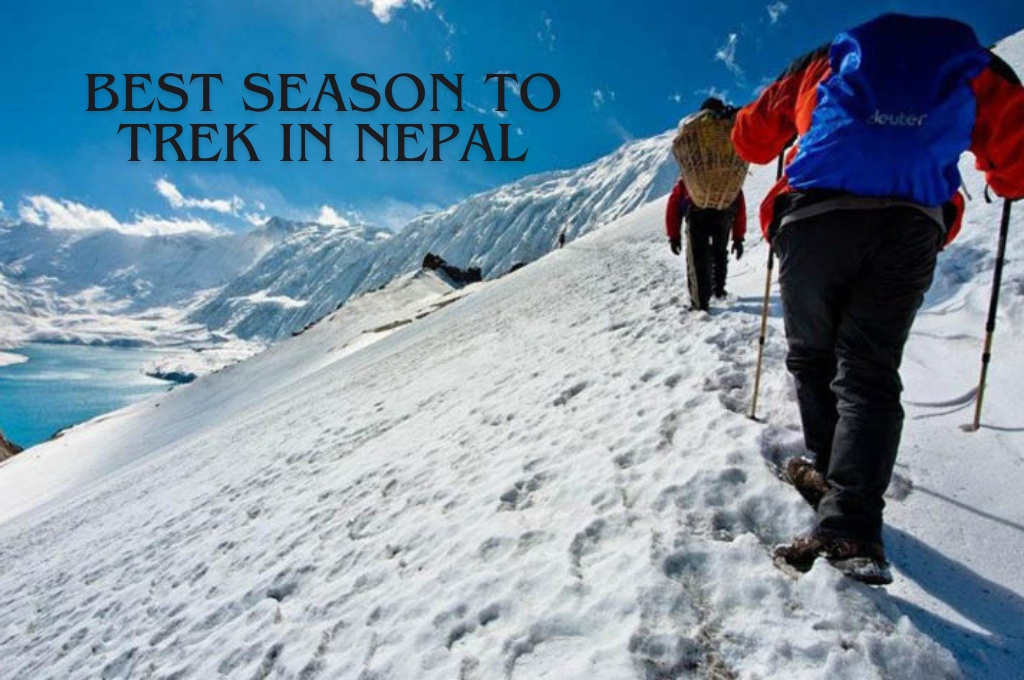
Choosing the right time for your Nepal tour greatly affects your experience. Nepal has four distinct seasons:
| Season | Months | Conditions | Best For |
|---|---|---|---|
| Spring | March – May | Warm, blooming rhododendrons | Trekking, Everest Base Camp |
| Summer / Monsoon | June – August | Heavy rainfall, leeches on trails | Mustang, Dolpo (rain-shadow regions) |
| Autumn | September – November | Clear skies, stable weather | All trekking, cultural tours |
| Winter | December – February | Cold, snow at altitude | Lower treks, cultural tours, wildlife |
Best overall months for trekking: October, November, March, and April offer the clearest mountain views and most stable weather.
Kathmandu is Nepal's capital and cultural heart. Major highlights include:
Nestled beside Phewa Lake with a dramatic Himalayan backdrop, Pokhara is Nepal's adventure capital:
Chitwan National Park, a UNESCO World Heritage Site in the southern Terai, offers one-horned rhinoceroses, Bengal tigers, gharial and marsh mugger crocodiles, over 600 species of birds, and traditional Tharu cultural performances.
Lumbini is one of the most sacred pilgrimage sites in the world. Born here around 563 BCE, Siddhartha Gautama became the Buddha. Key sites include the Maya Devi Temple and Sacred Garden, the Ashoka Pillar (3rd century BCE), the Eternal Flame, and an international monastery zone with Buddhist temples from Myanmar, China, Thailand, Korea, and more.
The remote Upper Mustang offers a rare window into a Tibetan Buddhist culture almost unchanged for centuries. The walled city of Lo Manthang and its ancient monasteries are extraordinary.
Perched on a hilltop between Kathmandu and Pokhara, Bandipur is a beautifully preserved Newari trading town with magnificent mountain views and a charming pedestrian bazaar.
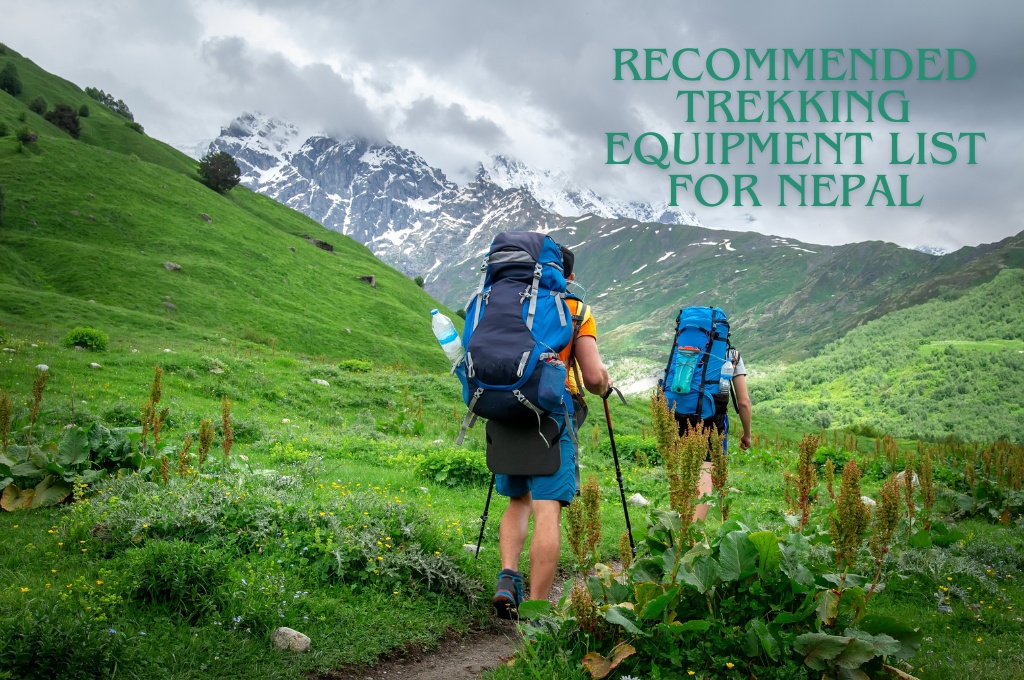
Nepal's trekking routes range from accessible valley walks to challenging high-altitude expeditions.
Duration: 12–14 days | Difficulty: Moderate to Challenging | Altitude: 5,364 m
The world's most iconic trek takes you through the Sherpa heartland of the Khumbu region, past the Tengboche Monastery, and to the foot of the world's highest mountain. The views of Everest, Lhotse, Nuptse, and Ama Dablam are unrivaled.
Duration: 15–20 days | Difficulty: Moderate to Challenging | Altitude: 5,416 m (Thorong La Pass)
One of the world's classic long-distance treks, circling the entire Annapurna massif through diverse landscapes — subtropical forests, alpine meadows, and the dramatic high-altitude Mustang plateau.
Duration: 7–12 days | Difficulty: Moderate | Altitude: 4,130 m
A shorter but spectacular route through the Modi Khola valley, surrounded by a natural amphitheater of Annapurna, Machapuchare (Fishtail), and Hiunchuli peaks.
Duration: 7–10 days | Difficulty: Moderate | Altitude: 3,870 m
Often overlooked in favor of the "big two," the Langtang Valley offers stunning scenery, Tibetan-influenced culture, and a chance to observe red pandas in their natural habitat.
Duration: 14–18 days | Difficulty: Moderate | Altitude: 3,840 m (Lo Manthang)
A restricted-area trek requiring a special permit, rewarding visitors with ancient monasteries, dramatic desert landscapes, and an almost untouched Tibetan Buddhist culture.
Duration: 14–18 days | Difficulty: Challenging | Altitude: 5,160 m (Larkya La Pass)
A remote and rewarding alternative to the Annapurna Circuit, the Manaslu Circuit is increasingly popular for its unspoiled scenery and authentic village experience.
Nepal's festival calendar is extraordinarily rich — the Nepali saying goes that there are more festivals than days in a year.
Nepal's longest and most important festival, Dashain celebrates the victory of goddess Durga over the demon Mahishasura. It spans 15 days in September/October and involves ritual worship at Durga temples, blessing ceremonies within families, kite flying, and animal sacrifices at major temples.
Celebrated five days after Dashain, Tihar honors crows, dogs, and cows on successive days, followed by Laxmi Puja with oil lamps and flower garlands, and culminating in the Bhai Tika ceremony honoring brothers and sisters.
An eight-day Kathmandu Valley festival honoring the rain god Indra, famous for the chariot procession of the Kumari (Living Goddess) and masked dances (Lakhe Nritya).
Celebrated across Nepal in February/March, Holi marks the arrival of spring with joyful throwing of colored powder and water.
Held on the full moon of May, Buddha Jayanti commemorates the birth, enlightenment, and death of Gautama Buddha with candlelight processions and prayers at Buddhist sites.
One of the holiest Hindu festivals, Maha Shivaratri draws hundreds of thousands of pilgrims and sadhus to Pashupatinath Temple in Kathmandu.
Nepali cuisine reflects the country's diverse geography and ethnic tapestry.
Dal Bhat (lentil soup with steamed rice) is the cornerstone of Nepali daily life. Served with vegetable curries (tarkari), pickles (achar), and sometimes meat, it provides the energy needed for mountain living. Trekkers are often told: "Dal Bhat power, 24 hour."
Tibetan-inspired dumplings — steamed or fried, filled with vegetables, buffalo, chicken, or pork — are Nepal's most beloved snack food. Every neighborhood in Kathmandu has its own beloved momo shop.
The Newar community of the Kathmandu Valley has one of South Asia's most distinctive culinary traditions, featuring Bara (black lentil pancakes), Yomari (sweet rice flour dumplings), Kwati (sprouted bean soup), Chatamari (rice flour crepe with toppings), and Aila (traditional rice spirit).
Originating from the Thak Khola valley in Mustang, Thakali cuisine is considered Nepal's finest "set meal" tradition, featuring buckwheat dishes, mustard-flavored meats, and fragrant rice.
Chiya (spiced milk tea) is ubiquitous and essential to Nepali social life. Tongba is a traditional fermented millet drink of the eastern hills, while Raksi and Chhang are local distilled and fermented spirits enjoyed at festivals and community gatherings.
Nepal's spirituality is woven into every aspect of daily life — from the first morning incense offerings at home shrines to the ancient temple rituals that have continued for centuries.
Hinduism in Nepal is closely tied to nature, with major deities associated with rivers, mountains, and the cosmos. The Hindu caste system (though legally abolished) still influences social structures.
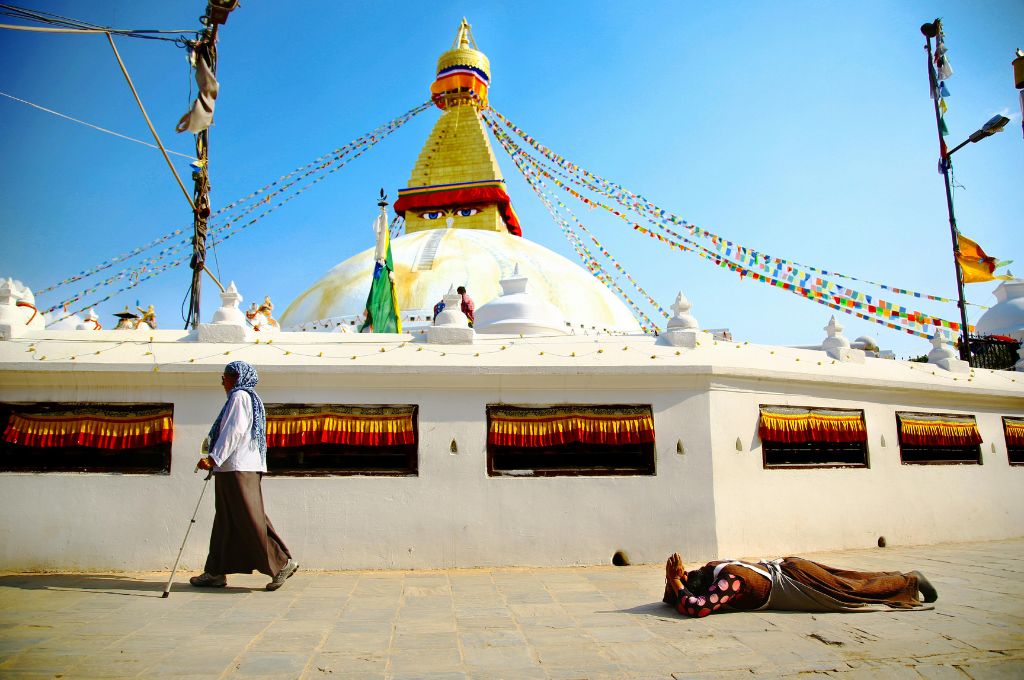
Tibetan Buddhism thrives in the Himalayan north, with Sherpa, Tamang, and other communities practicing Vajrayana Buddhism. Monasteries (gompas) such as Tengboche, Thrangu Tashi Yangtse, and Kopan are centers of deep learning and meditation.
Animism and shamanism persist in many rural communities, where jhankris (shamans) still practice healing rituals alongside mainstream religion.
The Kumari — a living goddess chosen from the Newar community — is one of the world's most unique living religious traditions, revered by both Hindus and Buddhists in the Kathmandu Valley.
Most foreign nationals can obtain a Tourist Visa on Arrival at Tribhuvan International Airport (Kathmandu) and major land border crossings.
| Visa Duration | Fee (USD) |
|---|---|
| 15 days | $30 |
| 30 days | $50 |
| 90 days | $125 |
Required documents: Valid passport (at least 6 months validity), passport-size photograph, completed arrival card, and visa fee in cash (USD, EUR, GBP, and other major currencies accepted).
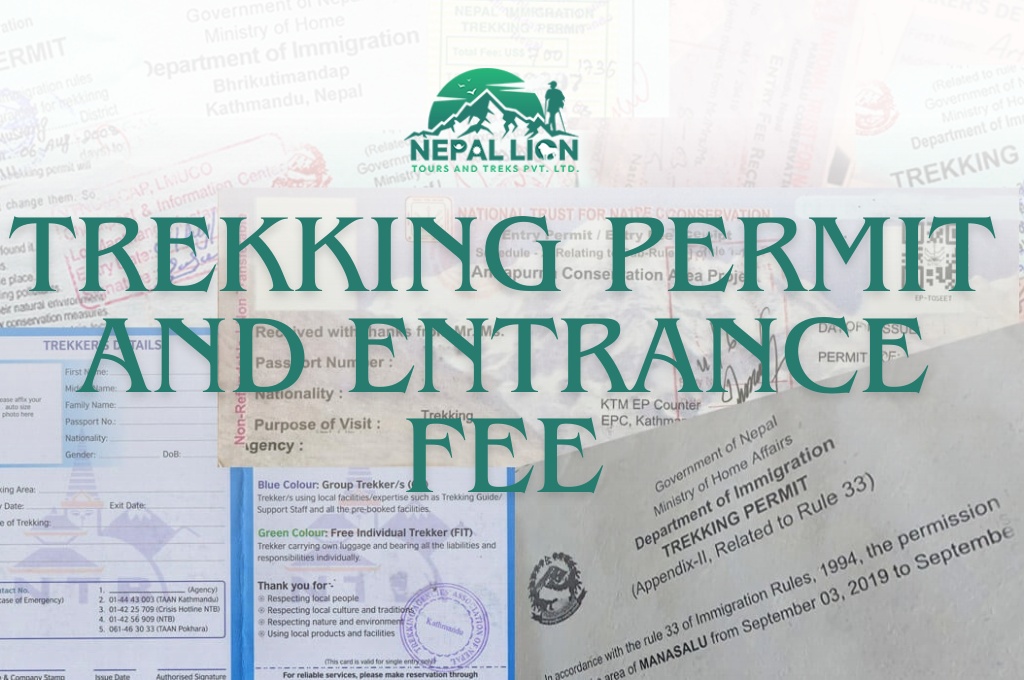
Trekking permit fees are separate from visa fees. TIMS (Trekkers' Information Management System) cards and national park entry fees are required for most trekking routes. Always verify the latest entry requirements with the Embassy of Nepal or your travel agency before departure.
Nepal Lion Treks is a professionally operated, government-registered trekking and tour company based in Kathmandu. We are passionate about sharing the best of Nepal with travelers from around the world — with deep respect for local culture, communities, and the natural environment.
Our Services:
Why Choose Nepal Lion Treks?
A Nepal tour is unlike any other journey on Earth. To walk in the shadow of Everest, to watch the sunrise set the Annapurnas ablaze with golden light, to receive a blessing at Pashupatinath, to share dal bhat with a Sherpa family — these are experiences that stay with travelers for a lifetime.
Nepali culture is a living, breathing celebration of diversity, devotion, and resilience. The Nepali people have built extraordinary civilization in one of the world's most challenging landscapes, and they invite visitors not merely to observe, but to genuinely connect.
Whether your Nepal tour lasts ten days or three months, approach it with curiosity, humility, and an open heart. Nepal will reward you beyond measure.
Nepal Lion Treks is here to make your dream Nepal tour a reality — safely, responsibly, and memorably. Contact us today to begin planning your journey.