

Jiri To Everest Base Camp Trek: 20 Days
Trip Facts
Group size
1-20+
Duration
20 Days
Trip Mode
Private Vehicle
Level of difficulty
Moderate
Max. Altitude:
5545m
Best Season
Sep-Nov/Late Feb-May
Accommodation
Tea houses/Lodges
Start/End
Kathmandu
Trip Highlights
- Follow the original trail of Sir Edmund Hillary & Tenzing Norgay, starting from the peaceful hill town of Jiri.
- Trek through lush forests, terraced farmlands, and remote Sherpa villages untouched by air travel.
- Cross the scenic Lamjura La Pass (3,530m) — the highest point before entering the Everest region.
- Experience authentic Sherpa hospitality and visit centuries-old monasteries along the trail.
- Join the main Everest Base Camp route at Namche Bazaar, the vibrant heart of the Khumbu Valley.
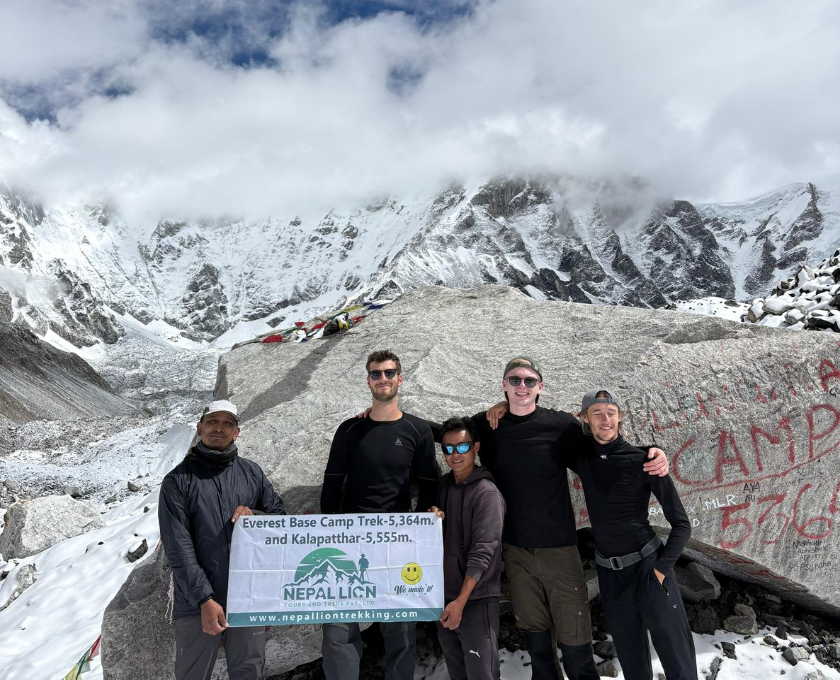
- Walk to the legendary Everest Base Camp (5,364m) and climb Kala Patthar (5,545m) for iconic views of Everest.
- Enjoy a gradual altitude ascent, ideal for acclimatization and deep cultural immersion.
- A true classic Himalayan adventure combining heritage, culture, and mountain majesty.
Overview
The allure of the Himalayas has captivated adventurers and trekkers for decades, offering a mesmerizing blend of towering peaks, pristine landscapes, and a sense of awe-inspiring grandeur. While the Everest Base Camp trek is renowned worldwide, there exists a less-traveled route that promises a more authentic and challenging experience the Jiri to Everest Base Camp trek. This classic trail, less frequented by modern trekkers, retraces the footsteps of early Everest expeditions and provides a unique perspective on the Khumbu region.
Historical of Jiri – The Forgotten Gateway
The Jiri to Everest Base Camp trek is a journey steeped in history. Before the advent of Lukla Airport, trekkers and mountaineers would embark on their Everest expeditions from Jiri, a small town in the lower Solu region of Nepal. This historical trail served as the gateway for the pioneers of Everest, including Sir Edmund Hillary and Tenzing Norgay, who first conquered the world’s highest peak in 1953.
Why Jiri to Everest base camp trek?
Embarking on the Jiri to Everest Base Camp trek is not for the faint of heart. Spanning approximately 150 miles (240 kilometers). This trek demands physical endurance, mental resilience, and a genuine love for the raw beauty of the Himalayas. The trail winds through picturesque villages, dense rhododendron forests, and high-altitude landscapes, offering diverse experiences for those willing to take on the challenge. The trek begins in Jiri, situated at an altitude of 1,905 meters (6,250 feet). Trekkers gradually ascend through the Solu region, passing through charming villages like Shivalaya, Bhandar, and Sete. The initial days involve traversing terraced fields and crossing suspension bridges that span deep river gorges.
Cultural Immersion: Villages and Monasteries
One of the highlights of the Jiri to Everest Base Camp trek is the opportunity to immerse oneself in the rich Sherpa culture. As trekkers ascend the trail, they encounter traditional villages where life has remained unchanged for generations. Tea houses along the route provide a glimpse into the daily lives of the Sherpa people, known for their warmth and hospitality. In route, trekkers can explore ancient monasteries, such as the Thupten Chholing Monastery in Junbesi, which reflects the deep spiritual connection of the region. The sound of prayer flags fluttering in the wind and the sight of intricately carved mani walls add a spiritual dimension to the trek, creating a memorable cultural experience.
What trekkers can observe during the trek?
The Jiri to Everest Base Camp trail offers a diverse array of landscapes that showcase the natural beauty of the Khumbu region.
Trekkers traverse rolling hills covered in lush greenery, pass through dense forests adorned with vibrant rhododendron blooms (especially during spring), and eventually find themselves above the tree line in the stark, high-altitude landscapes.
One of the highlights is the crossing of the Lamjura La pass, standing at an elevation of 3,530 meters (11,581 feet). From this vantage point, trekkers are treated to panoramic views of the surrounding mountains, providing a taste of the grandeur that awaits them as they approach Everest Base Camp.
Is Jiri to Everest base camp trek worth it?
The Jiri to Everest Base Camp trek has its challenges. The extended duration, ranging from 18 to 21 days, demands more physical fitness and mental stamina than the more direct Lukla route.
Trekkers must navigate varied terrain, including steep ascents and descents, rocky paths, and high mountain passes.
However, it is precisely these challenges that make the journey so rewarding. The accomplishment of completing the entire trail, the intimate connection with local communities, and the opportunity to witness the Himalayas in their unfiltered glory create memories that last a lifetime.
Preserving the Trail: Responsible Tourism
As the Jiri to Everest Base Camp trek gains recognition, it is essential to approach it with a mindset of responsible tourism. The region’s fragile ecosystem and the unique culture of its inhabitants require careful stewardship.
Trekkers are encouraged to minimize their environmental impact by adhering to Leave No Trace principles, supporting local businesses, and respecting the customs and traditions of the Sherpa communities.
Itinerary
Upon arrival at Tribhuvan International Airport (TIA) in Kathmandu, you will be greeted by a representative from Nepal Lion Treks and transferred to your hotel. Kathmandu, the capital city of Nepal, is a vibrant metropolis rich in cultural heritage and historical sites. It serves as the gateway to the Himalayas and offers a fascinating blend of ancient traditions and modern influences. After checking in, you can relax and explore the surrounding area, perhaps the bustling streets of Thamel, known for its trekking gear shops, restaurants, and vibrant nightlife. A pre-trek briefing will be held in the evening, where you'll meet your trekking guide and fellow trekkers, and discuss the upcoming adventure. This day is crucial for rest and preparation before embarking on the journey.
Today marks the beginning of the overland journey towards the Everest region. You will embark on a scenic drive from Kathmandu to Shivalaya, a small village that serves as a traditional starting point for treks in the lower Everest region, particularly for those opting for the classic Jiri-EBC route. The drive itself is an adventure, traversing winding mountain roads, passing through picturesque rural landscapes, and offering glimpses into the daily lives of Nepalese villagers. While long, the journey provides an excellent opportunity to witness the diverse topography of Nepal, from the bustling Kathmandu Valley to the serene hills of the Ramechhap district. Shivalaya, situated at 1,800m, offers a peaceful overnight stop before the actual trekking begins.
Your first day of trekking begins from Shivalaya, leading you towards the charming village of Bhandar. The trail initially descends, crossing the Khimti Khola (river) before ascending through terraced fields and small settlements. You'll pass through diverse landscapes, including rhododendron forests and traditional Sherpa villages, offering a glimpse into the local culture and way of life. The trek is moderate, with a mix of ascents and descents, allowing you to gradually acclimatize to the Himalayan environment. Bhandar, nestled at an altitude of 2,190m, is a picturesque village with a monastery and stunning views of the surrounding hills. This day sets the rhythm for the trek, introducing you to the beauty and challenges of the Himalayan trails
Today's trek from Bhandar to Sete involves a significant ascent, making it one of the more challenging days in the initial phase of the trek. The trail winds through dense forests, offering a serene and peaceful trekking experience. You'll pass through small hamlets and cross several streams, with the sounds of nature accompanying your journey. Sete, a small village situated at 2,575m, is a crucial stop for trekkers, often serving as a resting point before tackling the Lamjura La Pass. The higher altitude here means cooler temperatures, and the views of the surrounding valleys begin to open up, providing a sense of the grandeur of the Himalayas. This day tests your endurance and prepares you for the higher altitudes to come.
Today, you will cross the highest point of the trek so far, the Lamjura La Pass (3,530m), before descending to Junbesi. The ascent to Lamjura La is steep but rewarding, offering panoramic views of the surrounding peaks and valleys. The pass is often adorned with prayer flags, signifying the spiritual essence of the region. After crossing the pass, the trail descends through rhododendron and pine forests, leading you to the beautiful Sherpa village of Junbesi. Situated at 2,700m, Junbesi is a charming and culturally rich village, known for its traditional Sherpa houses, monasteries, and agricultural landscapes. It is a significant hub in the lower Solukhumbu region and provides a wonderful opportunity to experience authentic Sherpa culture. The day offers a mix of challenging climbs and scenic descents, culminating in a culturally immersive experience.
Leaving the serene village of Junbesi, today's trek takes you towards Trakshindu. The trail offers a mix of ascents and descents, passing through lush forests and small Sherpa settlements. You'll encounter chortens and mani walls along the way, reflecting the strong Buddhist influence in the region. Trakshindu, located at an altitude of 2,930m, is known for its impressive monastery, Trakshindu Gompa, which offers panoramic views of the surrounding valleys and mountains. This day provides a deeper immersion into the spiritual and natural beauty of the Solukhumbu region, with opportunities to observe traditional Sherpa life and enjoy the tranquility of the Himalayan foothills.
Today, you will trek from Trakshindu to Paiya, a journey that involves a significant descent followed by some ascents. The trail continues to offer stunning views of the surrounding landscapes, including terraced fields and traditional villages. You will pass through different ecological zones as you descend, observing changes in vegetation and local life. Paiya, situated at 2,730m, is a small settlement that serves as a transit point for trekkers. This day can be physically demanding due to the varied terrain, but it offers a chance to experience the diverse beauty of the lower Khumbu region. The gradual change in altitude helps with acclimatization as you prepare for the higher reaches of the trek.
Today, you will trek from Puiyan (also referred to as Paiya) to Phakding, a well-known village on the main Everest Base Camp trekking route. The trail involves some ups and downs, passing through forests and along the Dudh Kosi River. You will cross several suspension bridges, including the famous Hillary Suspension Bridge, which adds an element of adventure to the trek. Phakding, located at 2,600m, is a popular overnight stop for trekkers flying into Lukla. The village is bustling with tea houses and offers a vibrant atmosphere. This day marks your official entry into the main EBC trail, where you will start encountering more trekkers and porters.
Today is a significant day as you trek from Phakding to Namche Bazaar, the bustling Sherpa capital and gateway to Everest. The trail gradually ascends, following the Dudh Kosi River, and then involves a steep climb after crossing the Hillary Suspension Bridge. You will enter Sagarmatha National Park, where your permits will be checked. The final ascent to Namche Bazaar is challenging but rewarding, offering your first glimpse of Mount Everest (weather permitting) from a viewpoint just before entering the town. Namche Bazaar, situated at 3,445m, is a vibrant hub with a wide range of facilities, including shops, bakeries, cafes, and even pubs. It is a crucial acclimatization stop for trekkers.
Today is a crucial acclimatization day in Namche Bazaar. While it’s a rest day from continuous trekking, it’s important to stay active to aid acclimatization. A popular activity is a hike to the Everest View Hotel (3,880m), which offers spectacular panoramic views of Mount Everest, Lhotse, Ama Dablam, and other Himalayan giants. You can also visit the Sagarmatha National Park Museum, which provides insights into Sherpa culture, the local flora and fauna, and the history of mountaineering in the region. Exploring the bustling market of Namche Bazaar, interacting with locals, and enjoying the amenities are also great ways to spend the day. Proper acclimatization is vital for a safe and successful trek to higher altitudes.
After a well-deserved acclimatization day, you will trek from Namche Bazaar to Tengboche. The trail initially offers a relatively easy walk with stunning views of Everest, Lhotse, and Ama Dablam. You will then descend to the Dudh Kosi River and cross it before a steady uphill climb through a rhododendron forest to reach Tengboche. Tengboche, situated at 3,860m, is home to the famous Tengboche Monastery, the largest Buddhist monastery in the Khumbu region. The monastery is a spiritual center for the Sherpa community and offers breathtaking views of Everest and Ama Dablam. Attending a prayer ceremony at the monastery is a unique cultural experience.
Today, you will continue your ascent towards Dingboche, a village nestled in the Imja Valley. The trail descends from Tengboche through a forest to Deboche, then crosses the Imja Khola and climbs to Pangboche, a traditional Sherpa village. From Pangboche, the trail gradually ascends through alpine meadows, offering increasingly sparse vegetation as you gain altitude. Dingboche, at 4,360m, is a popular stop for trekkers due to its relatively sheltered location and stunning views of Ama Dablam, Island Peak, and Lhotse. The air is noticeably thinner here, making it another important acclimatization point.
Another crucial acclimatization day is spent in Dingboche. To aid acclimatization, you will undertake a short trek to Chhukung (4,730m) and return to Dingboche. This "climb high, sleep low" strategy is highly effective in preparing your body for higher altitudes. The trek to Chhukung offers magnificent views of Island Peak, Ama Dablam, and the surrounding peaks. Chhukung is a small settlement often used as a base for climbing Island Peak. Spending time at a higher altitude and then returning to sleep at a lower one helps your body produce more red blood cells, improving oxygen transport. The afternoon can be spent relaxing, reading, or enjoying the views from Dingboche.
Today, you will trek from Dingboche to Lobuche, a significant ascent into the high-altitude zone. The trail climbs steadily up the Dughla Ridge, offering spectacular views of Taboche, Cholatse, and Lobuche peaks. As you ascend, you will pass by the Everest Memorial, a poignant collection of stone memorials dedicated to climbers who have lost their lives on Everest and other Himalayan peaks. This somber yet inspiring site serves as a reminder of the challenges and sacrifices involved in mountaineering. Lobuche, situated at 4,930m, is a small settlement with basic tea houses, serving as the last overnight stop before Everest Base Camp. The air is noticeably thin here, and temperatures can drop significantly.
This is the most anticipated day of the trek, as you finally reach Everest Base Camp! The trek from Lobuche to Gorakshep is relatively short but challenging due to the high altitude and uneven terrain, often involving walking on moraine and glacial ice. Gorakshep, at 5,160m, is a small, basic settlement that serves as the base for visiting EBC and Kala Patthar. After checking into your tea house in Gorakshep, you will trek to Everest Base Camp (5,360m). The base camp itself is a bustling tent city during the climbing season, offering incredible views of the Khumbu Icefall and surrounding peaks, though Everest itself is not directly visible from EBC. After soaking in the atmosphere and taking photographs, you will return to Gorakshep for the night. This day is a culmination of your efforts and a truly unforgettable experience.
Today is another highlight of the trek, offering the most iconic views of Mount Everest. You will start early in the morning with a challenging hike to Kala Patthar (5,550m), a prominent viewpoint offering a 360-degree panoramic vista of Mount Everest, Lhotse, Nuptse, Pumori, and other towering peaks. The sunrise from Kala Patthar, illuminating the world's highest mountains, is an awe-inspiring experience. After descending from Kala Patthar and having breakfast in Gorakshep, you will begin your descent to Pangboche. The long descent helps with acclimatization and allows you to appreciate the landscapes you previously ascended. Pangboche, at 3,985m, is a traditional Sherpa village with an ancient monastery, providing a more comfortable overnight stay after the high-altitude challenges.
Continuing your descent, today you will trek from Pangboche back to Namche Bazaar. The trail follows the Imja Khola downstream, passing through Tengboche and then descending to the Dudh Kosi River before the final ascent back to Namche. This familiar route allows you to enjoy the scenery from a different perspective and appreciate the progress you have made. As you return to Namche Bazaar, you will notice the increased oxygen levels and feel more comfortable. You can revisit your favorite spots in Namche, enjoy a hot shower, or simply relax and reflect on your journey to Everest Base Camp.
Today marks the final day of trekking as you make your way from Namche Bazaar back to Lukla. The trail largely involves a descent, following the Dudh Kosi River, crossing several suspension bridges, and passing through charming villages like Phakding and Monjo. While it is a downhill trek, the continuous descent can be taxing on the knees, so maintain a steady pace. Upon reaching Lukla, you will have completed your incredible journey through the Everest region. The evening in Lukla is often spent celebrating the successful completion of the trek with your trekking group and porters/guides. It’s a time for reflection and camaraderie.
Today, you will take an early morning scenic flight from Lukla back to Kathmandu. The flight offers a final aerial view of the majestic Himalayan range and the landscapes you have just traversed. Lukla Airport, also known as Tenzing-Hillary Airport, is famous for its challenging runway and is considered one of the most thrilling airports in the world [2]. Upon arrival in Kathmandu, you will be transferred to your hotel. The rest of the day is free for you to relax, do some last-minute souvenir shopping, or explore more of Kathmandu’s cultural sites, such as Durbar Square, Swayambhunath (Monkey Temple), or Boudhanath Stupa. A farewell dinner will typically be arranged in the evening to celebrate the successful completion of your Everest Base Camp adventure.
After an unforgettable adventure in the Himalayas, your Everest Base Camp trek officially concludes today. Depending on your flight schedule, you may have some free time for last-minute shopping or sightseeing. A representative from Nepal Lion Treks will transfer you to Tribhuvan International Airport for your onward journey. You depart Nepal with cherished memories of the majestic mountains, the warm hospitality of the Sherpa people, and the incredible achievement of trekking to the foot of the world’s highest peak.
The final day starts with a steep descent over rocky terrain. After crossing the suspension bridges over the fast-flowing Dudh Koshi and its tributaries the trail levels out.
The air is a lot warmer at this altitude and any remaining sore throats and colds are soon gone. There is more time now to take in the wonderful culture of these hardy mountain people as we walk through Sherpa villages it is hard not to fully appreciate their impressive faith in Buddhism with the many prayer stones and prayer flags along the way.
On arrival in Lukla, it is time to chill out and reflect on the experiences of the last couple of weeks, a culmination of a fantastic trek and experience to last for many years to come.
We will take an early morning flight back to Kathmandu. on arrival, we are picked up and transferred to the hotel. The rest of the day is free for shopping and relaxing and a farewell evening meal is arranged hosted by ourselves.
Price Includes
- Pick-up or Drop-off service from and to Airport (in our own vehicle)
- Pre-trek briefing In Kathmandu Nepal Lion Treks office
- Domestic flight Kathmandu / Ramechhap - Lukla - Kathmandu / Ramechhap inclusive with all taxes and transfers
- Food all along the trip(Main course:- Breakfast, Lunch and Dinner) and a cup of coffee or tea) and accommodations during the trip in hotels with family environment
- One licensed trekking guide speaking English, Chinese, Korean, or Hindi, and Nepali
- Transportation, food, accommodation and insurance of Guide during the trip Down jacket, all-season sleeping bag, duffel bag and trekking map(in case if you dont have your own. Down jacket, sleeping bag and duffel bag must be returned after completion of the trip)
- Transportation, food, accommodation and insurance of Guide during the trip
- First Aid Medical Kit(Carried by the guide) Aarogya PC-303 Portable Vital Signs Monitor Device
- 1 well-experienced English-speaking assistant guide if the group size exceeds 5+ persons.
- All necessary Everest Base Camp trekking permits: Sagarmatha National Park and Trekkers' Information Management System (TIMS) fee.
- All applicable taxes are as per the government rules and regulations.
- Hotel accommodation in Kathmandu with breakfast as per the program.
- Welcome or farewell dinner in Kathmandu at a cultural restaurant(complimentary)
Price Excludes
- International Airfare
- Nepal visa (can be obtained at the airport or immigration counters at the borders: USD 25 for 15 days and USD 40 for 30 days and two passport-size photographs are required).
- Your travel and medical insurance
- Personal Expenses such as shopping, bar bills, hot shower, telephone, laundry, titbits etc
- Services not mentioned or not promised by the Agent / Agency
- Emergency expenses such as expenses on charted Flights / Helicopter
Add-ons & Options
At Nepal Lion Trekking, we have 17 years of excellent operation and decades of expertise in leading treks in Nepal. To further enhance your Everest base Camp Trek, we’re pleased to introduce exclusive add-ons for an even more exceptional adventure.
Pre-Trek Accommodation in Kathmandu
Start your adventure smoothly with our handpicked hotel options in Kathmandu. We take care of bookings so you can relax and prepare for your trek.
✅ Double Room: $55 per night (shared cost between two trekkers – $27.50 per person!)
✅ Single Room: $45 per night (private comfort before the trek)
(all rate include breakfast )
📍 Location: Centrally located, close to Thamel (tourist hub) for easy access to gear shops, restaurants, and cultural sites.
Porter Service – Trek Lighter, Enjoy More!
If you're interested in hiring a porter for your trek,we can also assist with booking a reliable and experience porter to Support your journey. Please contact us for current rates and availability.
Join Group Availability
Select a departure month
Select year
| Start | Finish | Availability | Price |
|---|
If the above Jiri To Everest Base Camp Trek: 20 Days
does not meet your needs, we can design individualized travel plans based on your preferences and
specifications.
Customer reviews

Best tours company in nepal 2025!exclllent service

TEJ NARYAN
Review Requests
Enter a recent customer’s contact info and we’ll ask them to leave you a review.