

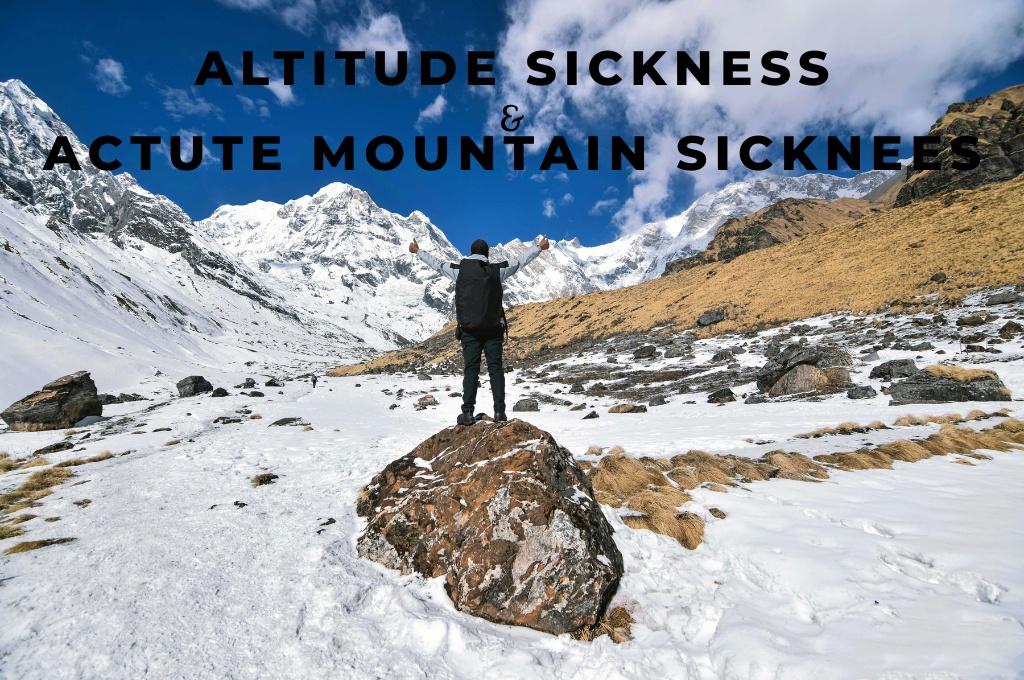
Nepal is home to some of the world’s highest trekking destinations, including Mount Everest, Annapurna Base Camp, Thorong La Pass, and Manaslu Circuit. While trekking in the Himalayas offers unforgettable mountain experiences, high altitude can also pose serious health risks. One of the most common concerns for trekkers in Nepal is Altitude Sickness, also known as Acute Mountain Sickness (AMS).
Understanding altitude sickness, its symptoms, prevention methods, and treatment options is essential for safe trekking in Nepal. This guide explains everything travelers need to know before trekking in the Himalayas.
Altitude sickness occurs when the body struggles to adapt to lower oxygen levels at high elevations. As altitude increases, air pressure decreases, resulting in less oxygen available for breathing.
Acute Mountain Sickness (AMS) usually develops above 2,500 meters (8,200 feet). Trekkers in Nepal frequently experience AMS during popular treks such as:
AMS can affect anyone regardless of age, fitness level, or trekking experience.
The primary cause of AMS is ascending too quickly without allowing the body enough time to acclimatize.
Common causes include:
In Nepal, many trekkers fly directly to Lukla at 2,860 meters and immediately begin trekking higher, increasing the risk of AMS.
Symptoms of AMS generally appear within 6–24 hours after reaching higher elevations.
Severe altitude sickness can develop into:
Fluid accumulation in the lungs causing:
Brain swelling causing:
HAPE and HACE are life-threatening conditions requiring immediate descent and emergency evacuation.
Altitude sickness usually begins above:
| Elevation | Risk Level |
|---|---|
| Below 2,500m | Low Risk |
| 2,500m – 3,500m | Moderate Risk |
| Above 3,500m | High Risk |
| Above 5,000m | Very High Risk |
Popular trekking regions in Nepal frequently exceed 4,000–5,000 meters.
Examples include:
The best prevention is gradual ascent.
Experts recommend:
Popular acclimatization stops in Nepal include:
Drink 3–4 liters of water daily while trekking.
Hydration helps the body adjust to altitude and reduces headaches and fatigue.
Avoid excessive:
Walking too fast at high altitude increases oxygen demand.
In Nepal, experienced guides often recommend:
“Walk slowly and steadily.”
This is one of the most effective AMS prevention strategies.
High-carbohydrate meals provide better energy at altitude.
Common trekking foods in Nepal include:
Maintaining energy levels is important for acclimatization.
Some trekkers use:
Diamox may help speed acclimatization but should only be taken after consulting a medical professional.
If symptoms are mild:
Symptoms often improve within 24–48 hours.
If symptoms worsen:
In Nepal, emergency helicopter rescues are common in remote Himalayan regions.
Helicopter evacuation services operate in trekking areas such as:
Travel insurance covering:
is strongly recommended before trekking in Nepal.
The Everest Base Camp Trek typically includes acclimatization days in:
This helps reduce AMS risk.
The Annapurna Circuit Trek gradually ascends through:
making acclimatization easier.
The Langtang Valley Trek is considered a moderate-altitude trek with lower AMS risk compared to Everest.
Anyone can develop AMS, but higher risk groups include:
Fitness alone does not prevent altitude sickness.
Altitude Sickness and Acute Mountain Sickness (AMS) are important concerns for trekkers visiting Nepal’s Himalayas. However, with proper acclimatization, hydration, gradual ascent, and awareness of symptoms, most trekkers can safely enjoy Nepal’s spectacular mountain adventures.
Whether trekking to Everest Base Camp, crossing Thorong La Pass, or exploring the Annapurna Region, understanding AMS is essential for a safe and memorable Himalayan experience.