- USD (US$)
- EUR (€)
- GBP (£)
- AUD (AU$)
- CAD (CA$)
- Home
- Travel Guide
- 10 Things to Know About Nepal Before You Visit
10 Things to Know About Nepal Before You Visit
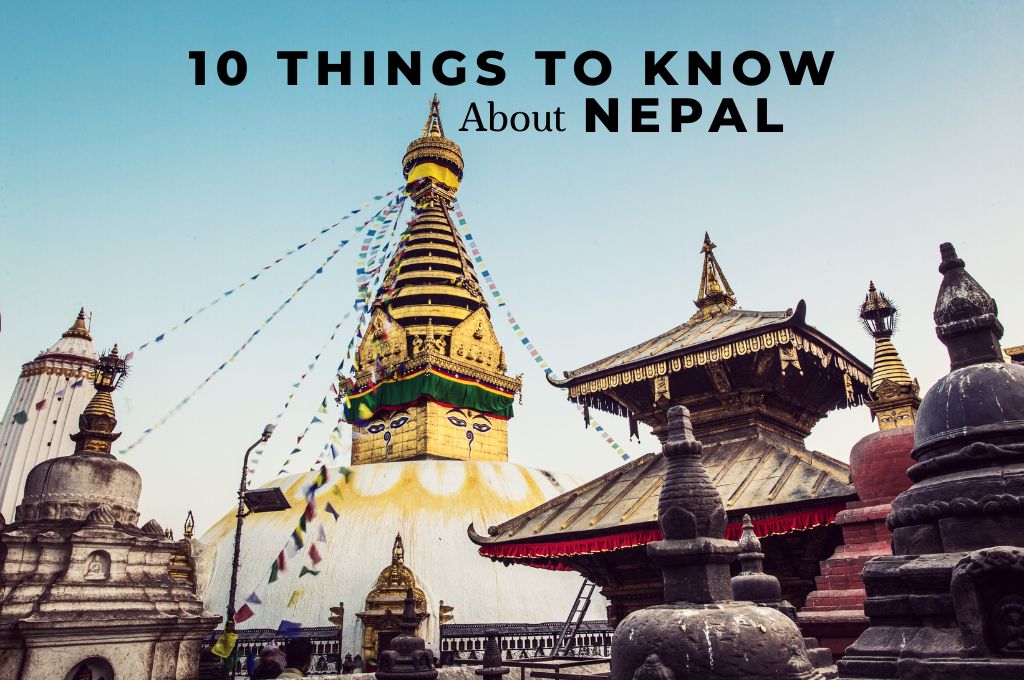
Nepal is one of the most breathtaking destinations on Earth — home to eight of the world's fourteen highest peaks, ancient temples, vibrant cultures, and some of the most rewarding trekking routes anywhere in the world. But like any destination with deep-rooted traditions and a unique travel environment, Nepal rewards those who arrive prepared.
Whether you're planning a Himalayan trek, a spiritual pilgrimage, or a cultural city tour, knowing what to expect will transform your trip from good to unforgettable. Here are the 10 most important things to know about Nepal before you visit — curated by the experts at Nepal Lion Treks.
You Need a Visa — and It's Easy to Get
Nepal welcomes visitors from most countries, and obtaining a visa is straightforward. Tourist visas are available on arrival at Tribhuvan International Airport (TIA) in Kathmandu or at designated land border crossings.
Visa options include:
- 15 days – USD $30
- 30 days – USD $50
- 90 days – USD $125
You will need a passport valid for at least six months, two passport-sized photos, and a completed arrival form. Payments are accepted in major foreign currencies or credit/debit cards.
Pro Tip: Fill out the online Nepal e-Visa form before arrival at www.nepalimmigration.gov.np to save time at the airport.
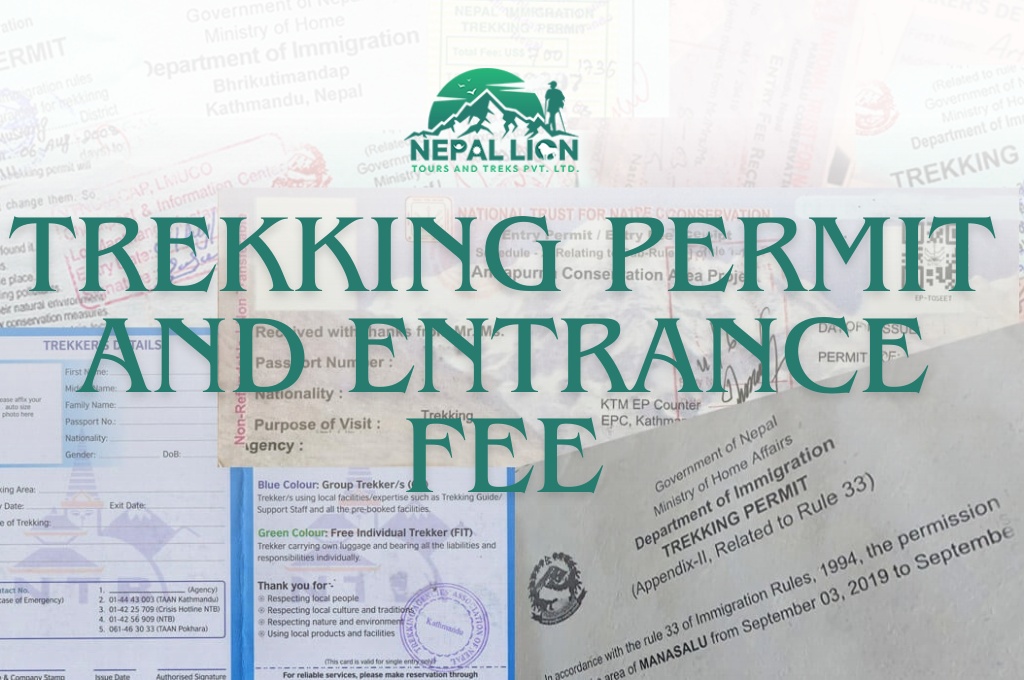
Trekking Permits Are Mandatory
Nepal requires trekkers to carry specific permits depending on the trail and region. Trekking without the proper permits can result in fines and being turned back at checkpoints.
Key permits include:
| Permit | Where Required | Cost (Approx.) |
|---|---|---|
| TIMS Card (Trekkers' Information Management System) | Most major trekking routes | USD $20 |
| Annapurna Conservation Area Permit (ACAP) | Annapurna Circuit, Poon Hill | NPR 3,000 |
| Sagarmatha National Park Permit | Everest Base Camp Trek | NPR 3,000 |
| Restricted Area Permit | Mustang, Dolpo, Manaslu | USD $50–$500+ |
Nepal Lion Treks arranges all necessary permits for our trekking clients as part of our full-service packages — so you can focus on the journey, not the paperwork.
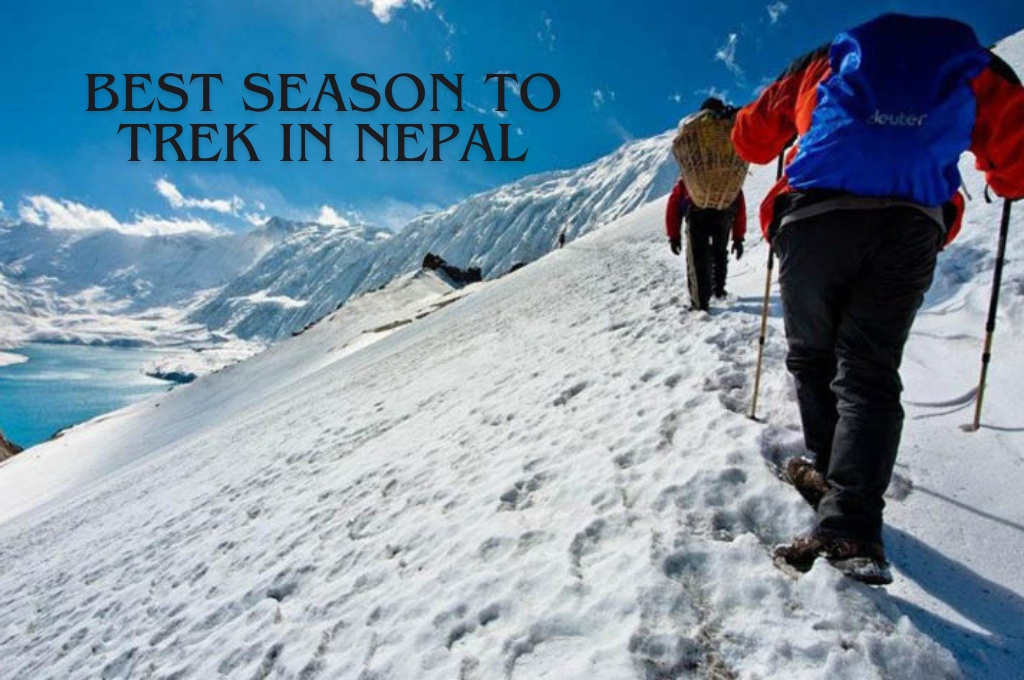
The Best Time to Visit Nepal Is Spring or Autumn
Nepal has four distinct seasons, and your experience will vary dramatically depending on when you travel.
- Spring (March–May): Ideal for trekking and mountaineering. Rhododendrons bloom across the hills, and skies are relatively clear. This is the primary climbing season for Everest.
- Autumn (September–November): Considered the best overall season for most travelers. Post-monsoon skies are crystal clear, temperatures are comfortable, and mountain views are at their most spectacular.
- Winter (December–February): Cold at altitude but a great time for lower-elevation cultural tours in the Kathmandu Valley, Pokhara, and Chitwan.
- Monsoon (June–August): Heavy rainfall, lush green landscapes, and fewer tourists. Not recommended for high-altitude trekking due to trail conditions and visibility.
Best Recommendation from Nepal Lion Treks: October–November offers the perfect combination of stable weather, clear mountain views, and vibrant post-harvest cultural festivals.
Altitude Sickness Is a Real Risk — Plan Accordingly
Acute Mountain Sickness (AMS) affects thousands of trekkers in Nepal every year. It is caused by ascending too quickly to high elevations without allowing the body time to acclimatize.
Symptoms include: headache, nausea, fatigue, dizziness, and shortness of breath.
How to prevent altitude sickness:
- Ascend gradually — never gain more than 300–500 meters in altitude per day above 3,000m
- Take planned rest/acclimatization days (e.g., at Namche Bazaar, Dingboche)
- Stay well hydrated
- Avoid alcohol and sleeping pills
- Consider Diamox (acetazolamide) after consulting your doctor
- Never ignore symptoms — descend immediately if they worsen
All Nepal Lion Treks itineraries follow medically approved acclimatization schedules to keep you safe and summit-ready.
Respect Local Culture and Religious Customs
Nepal is a predominantly Hindu country, with a strong Buddhist influence particularly in the mountain regions. Cultural sensitivity is not just appreciated — it is essential for a respectful and enriching visit.
Key cultural rules to follow:
- Always walk clockwise around stupas, mani walls, and religious monuments
- Remove your shoes before entering temples and homes
- Dress modestly — cover shoulders and knees, especially at religious sites
- Ask permission before photographing people or religious ceremonies
- Never touch someone's head — it is considered sacred
- Use your right hand for eating, giving, and receiving items
- The traditional greeting is "Namaste" — palms pressed together with a gentle bow
Following these customs will earn you deep respect from locals and open doors to authentic cultural experiences that most tourists never see.
The Currency Is the Nepalese Rupee (NPR)
The official currency of Nepal is the Nepalese Rupee (NPR). As of 2026, approximate exchange rates hover around:
- 1 USD ≈ 132–156 NPR
- 1 EUR ≈ 145–180 NPR
- 1 GBP ≈ 168–180 NPR
Money tips:
- ATMs are available in Kathmandu, Pokhara, and larger towns along trekking routes — but become rare or unreliable in remote areas
- Always carry sufficient cash in small denominations for trekking regions
- Credit cards are accepted at major hotels and restaurants in cities but not in villages
- Exchange currency at authorized money changers or banks — avoid unofficial exchange offers
- Indian Rupees (in denominations of 100 and below) are also widely accepted in Nepal
Nepal Has a Unique Geography — Beyond Just Mountains
Most travelers associate Nepal exclusively with the Himalayas — but the country's geography is remarkably diverse, spanning three major ecological zones:
- The Terai (Low Plains): The subtropical southern lowlands bordering India. Home to Chitwan National Park and Bardia National Park, where you can spot rhinos, elephants, tigers, and crocodiles.
- The Hilly Region (Mid-Hills): The cultural heartland of Nepal, including the Kathmandu Valley, Pokhara, and ancient trading towns like Bandipur and Bhaktapur.
- The Himalayan Region (High Altitude): The world-famous trekking and mountaineering terrain, featuring peaks including Everest (8,849m), Annapurna (8,091m), Langtang, and Manaslu.
This diversity means a single Nepal itinerary can combine a jungle safari, a cultural heritage tour, and a Himalayan trek — all within one trip.
Food and Drinking Water Safety
Nepal's cuisine is delicious, hearty, and deeply satisfying — especially after a long day of trekking.
Must-try Nepali foods:
- Dal Bhat: The national dish — lentil soup, rice, vegetables, and pickles. Refills are always free!
- Momo: Steamed or fried dumplings filled with vegetables or meat
- Thukpa: Tibetan noodle soup, perfect at altitude
- Sel Roti: A traditional sweet rice-flour ring bread
- Newari cuisine: Rich, spiced dishes from the Kathmandu Valley's indigenous community
Water safety — important:
- Do not drink tap water in Nepal under any circumstances
- Buy sealed bottled water or use a quality water purification system (LifeStraw, SteriPen, or purification tablets)
- Lodges along major trekking routes sell boiled or filtered water — carry a reusable bottle
- Avoid ice in drinks unless you are certain it is made from purified water
Connectivity and Communication
Nepal has improved its digital infrastructure significantly in recent years, though remote trekking areas remain offline.
SIM Cards:
- Tourist SIM cards from Ncell or Nepal Telecom are available at Tribhuvan Airport and across Kathmandu for approximately $2–$5
- Data packages are affordable — 1GB typically costs around NPR 50–100
- 4G coverage is available in cities and major towns; service weakens significantly above 4,000m
Wi-Fi:
- Most hotels, guesthouses, and teahouses in Kathmandu, Pokhara, and along major trekking routes offer free Wi-Fi
- Speed and reliability decrease significantly in remote areas
- Satellite-based communication (e.g., Garmin inReach) is recommended for expeditions to very high or off-trail regions
Nepal Lion Treks Tip: Download offline maps (Maps.me or Google Maps offline), the Meraki weather app, and your trekking route guides before leaving Kathmandu.
Choose a Licensed, Reputable Trekking Agency
Nepal's trekking industry is vast, and not all operators offer the same level of safety, quality, or ethical standards. Choosing a licensed, experienced trekking agency is one of the most important decisions you will make for your Nepal trip.
What to look for in a trekking agency:
- Registered with the Nepal Tourism Board (NTB) and Trekking Agencies' Association of Nepal (TAAN)
- Certified, experienced, and English-speaking guides
- Transparent pricing with no hidden fees
- Verified emergency protocols and rescue procedures
- Genuine traveler reviews on TripAdvisor, Google, and travel forums
- Ethical employment practices — licensed guides, proper porter wages, and welfare standards
Why Nepal Lion Treks?
At Nepal Lion Treks, we are a fully licensed, government-registered trekking company based in Kathmandu. We specialize in customized trekking packages, peak climbing, cultural tours, and adventure travel across Nepal. Our team of experienced local guides brings unmatched expertise, safety consciousness, and passion for sharing Nepal's extraordinary landscapes and culture with travelers from around the world.
Final Thoughts
Nepal is a destination that will challenge you, move you, and stay with you long after you return home. The mountains are humbling, the people are warm, the culture is ancient and alive, and the adventure is unlike anything else on Earth.
But arriving prepared makes all the difference. With the right knowledge — and the right partner — your Nepal journey will be everything you've dreamed of, and more.

This website uses cookies to deliver a more relevant browsing experience and to analyze site traffic. Read more