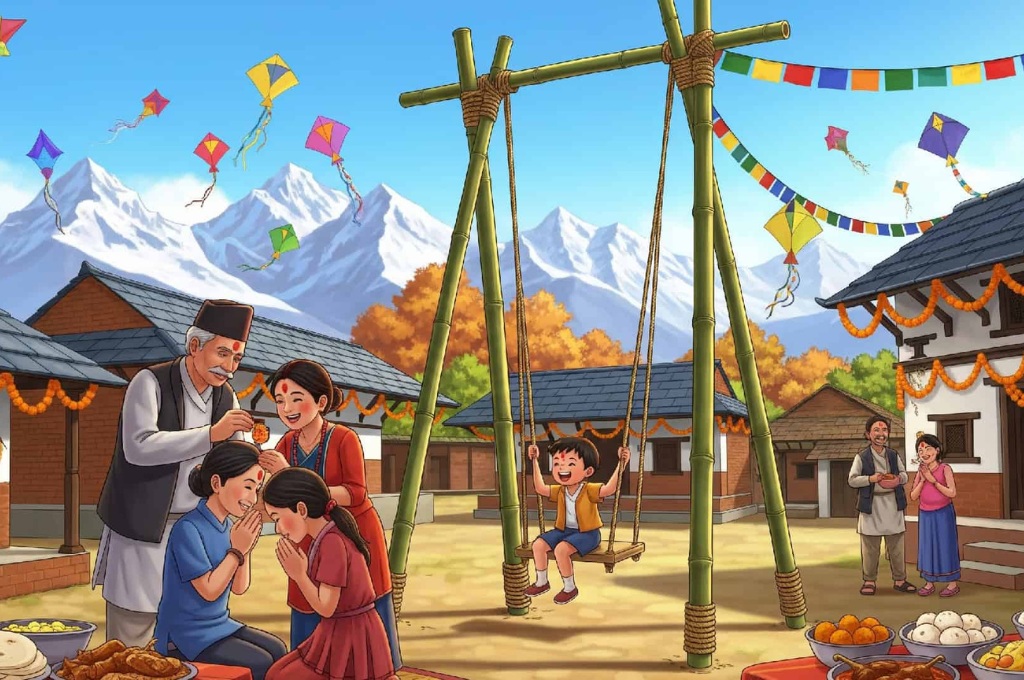
Nepal is a country where ancient traditions, spiritual wisdom, and vibrant celebrations intertwine to create one of the world's most fascinating festival cultures. With a unique blend of Hindu, Buddhist, and indigenous celebrations, Nepal's festival calendar is a living testament to centuries of heritage and cultural richness.
Whether you're a spiritual seeker, cultural enthusiast, adventure traveler, or simply someone who wants to witness the raw joy and human connection that comes from traditional celebrations, Nepal's festivals offer transformative experiences that will change your perspective on life.
Nepal's festivals aren't just calendar events—they're immersive experiences where tourists are welcomed into the heart of communities, participate in sacred rituals, witness breathtaking ceremonies, and create memories that last a lifetime. From the colorful chaos of Holi to the spiritual devotion of Buddha Jayanti, each festival tells a unique story of Nepal's soul.
Date: January 14-15 (approximately) Type: Hindu harvest festival Location: Celebrated throughout Nepal, especially in Kathmandu Valley
Maghe Sankranti marks the sun's transition into Capricornus (Maghe in Nepali), symbolizing the end of winter and the beginning of auspicious days. This ancient Hindu festival celebrates the harvest season and is dedicated to thanking the sun for prosperity and fertility.
Significance and Traditions:
Experience as a Visitor:
Taste traditional Nepali sweets, and feel the communal joy as entire neighborhoods gather on rooftops to celebrate together.
Why Visit: Perfect introduction to Nepali culture; family-friendly; excellent photography opportunities; authentic local celebrations.
Date: February (varies yearly, typically early February) Type: Festival of Spring and Renewal Significance: Celebrates the arrival of spring season
Basant Panchami marks the arrival of spring and is celebrated as a festival of renewal, hope, and new beginnings. The word "Basant" means spring in Hindi and Nepali, while "Panchami" refers to the fifth day of the lunar month.
Cultural Significance:
Experience as a Visitor:
Visit golden mustard fields in the Kathmandu Valley, attend cultural programs at temples, participate in educational ceremonies, witness communities dressed entirely in yellow, and experience the palpable energy of renewal that defines this festival.
Why Visit: Beautiful natural landscape; spiritual ceremonies; less crowded than major festivals; perfect for photography; deep cultural insights.
Date: February or March (lunar calendar dependent) Type: Hindu religious festival Significance: One of the holiest nights in Hinduism
What is Maha Shivaratri?
Maha Shivaratri, meaning "the great night of Shiva," is one of the most sacred nights in Hindu tradition. Devotees stay awake through the night to worship Lord Shiva, the supreme god of destruction and regeneration, celebrating his cosmic dance of creation and destruction.
Spiritual Significance:
Experience as a Visitor:
Visit Pashupatinath Temple in Kathmandu, one of the holiest Hindu temples in the world, where thousands of pilgrims gather from across Nepal and India for night vigils. Witness sacred fire ceremonies (Arti), hear devotional chanting, and feel the intense spiritual energy of the celebration.
Why Visit: Profoundly spiritual experience; access to one of world's holiest temples; witness authentic Hindu practices; powerful energy and devotion; once-in-a-lifetime experience.
Date: March (lunar calendar, typically early March) Type: Hindu spring festival Significance: Celebrates victory of good over evil, arrival of spring
Holi is one of the most joyous and colorful festivals in the Hindu calendar, celebrating the victory of good over evil, the arrival of spring, and the renewal of relationships. The festival marks the end of winter and the beginning of a new harvest season.
Meaning and Traditions:
Experience as a Visitor:
Get completely covered in vibrant colored powder alongside locals who will welcome you with open arms and genuine warmth. Participate in water balloon fights, taste festive delicacies, dance to traditional music, and experience the infectious joy as strangers become friends through this celebration of colors and forgiveness.
Why Visit: Most colorful and joyful festival; genuine cultural interaction; family-friendly; excellent for experiencing Nepali hospitality; incredible photography; powerful lesson in human connection.
Best Places to Celebrate Holi in Nepal:
Date: April 13-14 (Nepali calendar New Year) Type: Cultural and astronomical festival Significance: Celebrates the beginning of the Nepali year (2080+ in Bikram Sambat calendar)
What is Nepali New Year?
Nepali New Year, also known as Bisket Jatra (particularly in Bhaktapur), marks the beginning of the year according to the Bikram Sambat calendar, one of the oldest calendars in the world. "Bisket" comes from "Biska" meaning wheat and "Jatra" meaning festival—historically marking the harvest season.
Cultural Significance:
Experience as a Visitor:
Witness the spectacle of the 25-meter wooden pole being painstakingly erected through traditional methods. Watch intense but friendly tug-of-war between communities as they pull with all their might. Participate in chariot processions through Bhaktapur's UNESCO World Heritage streets, observe street parades, and celebrate new beginnings with locals.
Why Visit: Unique astronomical significance; spectacular community event; ancient traditions in modern times; UNESCO heritage sites; vibrant street celebrations; cultural pride on display.
Best Place: Bhaktapur's Durbar Square (most famous celebration) though celebrated throughout Nepal
Date: April-May (lunar calendar, typically May) Type: Buddhist festival Significance: Celebrates the birth of Siddhartha Gautama, founder of Buddhism
What is Buddha Jayanti?
Buddha Jayanti commemorates the birth of Prince Siddhartha Gautama, who renounced his royal life to seek enlightenment and became Gautama Buddha, the founder of Buddhism. The festival is celebrated throughout the Buddhist world and holds particular significance in Nepal, Buddha's birthplace.
Spiritual Significance:
Experience as a Visitor:
Visit Swayambhunath (Monkey Temple) or Boudhanath Stupa where thousands of devotees dressed in white robes gather for processions and ceremonies. Meditate alongside monks and pilgrims, witness ritual circumambulation of stupas, listen to chanting, and experience the profound peace and spiritual energy of these sacred Buddhist sites. Consider visiting Lumbini, the ancient pilgrimage site where Buddha was born.
Why Visit: Profoundly peaceful experience; access to sacred Buddhist sites; meditation opportunities; witness thousands of devotees; understand Buddhist philosophy; spiritual transformation potential; visit Buddha's birthplace.
Date: September-October (lunar calendar, typically 15 days) Type: Hindu religious festival Significance: Nepal's biggest and most important festival
What is Dashain Festival?
Dashain, also known as Bijaya Dashami, is Nepal's most celebrated festival, marking the victory of good over evil. Observed for 15 days, this festival celebrates Goddess Durga's triumph over the buffalo demon Mahishasura, symbolizing the victory of righteousness over darkness and courage over fear.
Why Dashain is Special:
Dashain isn't just a religious festival—it's a national celebration that unites Nepal. Schools close, businesses shut down, and the entire country comes to a standstill as people return to their families for this joyous celebration. It's comparable to Christmas in Western countries in terms of national significance.
Traditions and Celebrations:
10 Days of Dashain:
Experience as a Visitor:
Participate in swing contests with locals, receive blessings and Tika from Nepali families (visitors are often welcomed into this sacred ritual), attend temple ceremonies, enjoy the festive atmosphere in public squares, taste special Dashain foods, witness colorful decorations transforming cities, and experience the warmth of Nepali hospitality as communities celebrate together. Join the festivities in Kathmandu's public spaces or venture to smaller towns for more intimate family experiences.
Why Visit: Nepal's biggest festival; family-centered celebrations; unique swing traditions; access to sacred Hindu rituals; genuine cultural integration; incredible energy and joy; photography paradise.
Best Places to Celebrate:
Date: October-November (lunar calendar, typically 5 days in November) Type: Hindu festival Significance: Festival of lights celebrating victory of light over darkness
What is Tihar?
Tihar, also known as Diwali in other parts of South Asia, is a five-day festival celebrating the triumph of light over darkness, knowledge over ignorance, and good over evil. Each day of Tihar honors different aspects of life and relationships, making it the most comprehensive celebration of human values in Nepal's festival calendar.
The Five Days of Tihar:
Day 1: Kaag Tihar (Day of Crows)
Day 2: Kukur Tihar (Day of Dogs)
Day 3: Gai Tihar & Laxmi Puja (Day of Cows & Goddess of Wealth)
Day 4: Govardhan Puja (Day of Mountains)
Day 5: Bhai Tika (Brothers' Day)
Tihar Traditions:
Experience as a Visitor:
Experience the most visually stunning festival of the year as oil lamps transform Nepal's landscape. Witness the artistic creativity of rangoli designs adorning doorsteps. Participate in "Deusi Bhailo" singing, where you'll be invited into homes and given blessings and food. Watch dogs and cows being celebrated with genuine affection. Participate in brother-sister blessing ceremonies. Take photographs of the glowing nights and participate in the most light-filled, joyous celebration.
Why Visit: Most visually spectacular festival; lights and colors everywhere; intimate family celebrations; various activities across 5 days; less crowded than Dashain; perfect photography; deep cultural and spiritual significance.
Best Places to Celebrate:
Date: November-December (lunar calendar, varies) Type: Hindu festival Significance: Ancient fertility festival dedicated to Sun God
What is Chhath Festival?
Chhath is an ancient Hindu festival dedicated to the Sun God (Surya) and performed primarily by women for the health and wellbeing of their families. The word "Chhath" comes from "Chhah" meaning six in Nepali, referring to the sixth day after Diwali (Tihar) when the festival begins. It's one of the oldest festivals mentioned in ancient Hindu texts (Vedas).
Historical and Spiritual Significance:
The Four-Day Ritual:
Day 1 (Naha Khay): Purification day where the fasting woman bathes and begins the ritual process.
Day 2 (Kharna): Full-day fast breaking with rice pudding and jaggery (gur).
Day 3-4 (Chhath and Parana): Two-day water ritual:
Traditions and Practices:
Experience as a Visitor:
Visit riverbanks at dawn and dusk to witness women in traditional dress performing sacred rituals, faces glowing in early morning or evening light. Observe the artistic bamboo structures decorated with vibrant fruits. Feel the profound devotion and family unity as entire households perform rituals together. Photograph the ethereal beauty of sunrise/sunset water rituals. Witness quieter, more deeply spiritual moments compared to louder public festivals.
Why Visit: Uniquely spiritual and ancient practice; less touristy than major festivals; witness genuine devotion; beautiful photography opportunities; unique to South Asia; profound cultural insights; peaceful, meditative atmosphere.
Best Places to Celebrate:
Date: December 25 & surrounding days Type: Christian and secular celebration Significance: Christian religious festival; increasingly recognized across Nepal
What is Christmas in Nepal?
While not part of Nepal's traditional festival calendar, Christmas is celebrated by Nepal's Christian community and increasingly recognized throughout the country. Nepal's multicultural society blends modern Christmas traditions with local customs, creating a unique year-end celebration.
How Nepal Celebrates Christmas:
Experience as a Visitor:
Experience multicultural celebration in Kathmandu, witness the blending of cultures, shop in festive markets, enjoy year-end parties and celebrations, and reflect on your own year while surrounded by Nepali hospitality and warmth.
Why Visit: Multicultural experience; less intense than major festivals; perfect for reflecting on the past year; comfortable for Western travelers; vibrant market atmosphere; good time to visit (mild weather).
Festivals provide an unfiltered window into the soul of Nepali culture. Rather than observing traditions from a distance, you'll participate in them—wearing traditional clothes, receiving blessings from elders, eating home-cooked festival foods, and understanding what truly matters to Nepali people. This isn't tourism; it's cultural exchange at its deepest level.
Benefit: You'll gain insights into Nepali values—family, community, spirituality, and harmony with nature—that could take months of regular travel to understand.
Nepali people are renowned for their warmth and hospitality, and festivals magnify this generosity. Families will welcome you into their homes, invite you to celebrations, apply Tika blessings to your forehead, and include you in festivities as if you're family. These aren't transactions—they're genuine expressions of joy and community.
Benefit: You'll make real friendships, receive warm welcomes in communities you've never visited, and understand that humanity is fundamentally connected regardless of culture or background.
Whether you're religious, spiritual, or simply seeking meaning, Nepal's festivals offer profound experiences. Meditating alongside thousands at Buddhist temples, witnessing the intense devotion of Hindu rituals, or experiencing the quiet spirituality of Chhath—these moments touch something deep within.
Benefit: Many travelers report that festival experiences in Nepal shift their perspectives on life, spirituality, and what truly brings happiness.
The vibrant colors of Holi, the glowing lights of Tihar, the chaotic joy of Dashain swings, the serene beauty of Buddha Jayanti—festival photography in Nepal is world-class. You'll capture moments that are visually and emotionally stunning, creating memories that will inspire you for years.
Benefit: Create a visual story of Nepal that reflects its true spirit and beauty.
Unlike some countries where festivals have become commercialized for tourists, Nepal's festivals remain genuinely focused on community and spiritual observance. You're witnessing traditions performed for locals first, tourists second—maintaining authenticity and respect.
Benefit: Support local culture through respectful tourism; experience festivals as they've been celebrated for centuries.
Many visitors combine festival celebrations with Nepal's world-class trekking. Imagine trekking through the Himalayas, then descending to celebrate a festival in Kathmandu Valley. The contrast between mountain solitude and festival joy creates unforgettable experiences.
Benefit: Combine two compelling reasons to visit Nepal in a single trip.
Different festivals occur in different seasons, each with unique natural beauty:
Benefit: Experience Nepal's diverse climates and seasonal beauty while celebrating traditions.
1. Dashain (October)
2. Tihar (November)
3. Holi (March)
4. Buddha Jayanti (May)
5. Maha Shivaratri (February-March)
6. Nepali New Year/Bisket Jatra (April)
7. Basant Panchami (February)
8. Maghe Sankranti (January)
9. Chhath (November-December)
Consider these factors:
Recommendation: First-time visitors should consider Dashain or Tihar as they encompass multiple aspects of Nepali culture.
Festival season is peak season in Nepal. Hotels fill up 2-3 months in advance, especially in Kathmandu Valley.
Best Areas for Festival Accommodation:
Getting to Nepal:
Within Nepal:
Important: Most festivals follow the lunar calendar (Bikram Sambat), so dates change yearly in the Gregorian calendar.
When Planning:
Dress Code:
Behavior:
Physical Preparation:
A knowledgeable local guide greatly enhances your festival experience by:
Recommendation: Nepal Lion Trekking offers experienced guides who understand both tourism and cultural sensitivity.
Many companies offer festival-specific packages that include:
Benefits: Hassle-free logistics; insider knowledge; local connections; shared experiences with other travelers.
Festivals: Holi, Basant Panchami, Nepali New Year, Buddha Jayanti
Weather: Pleasant, mild, some rain possible Advantages:
Disadvantages: Some rain; minor humidity
Best for: First-time visitors; photographers; nature lovers
Festivals: None major (monsoon season)
Weather: Hot, humid, heavy rain
Advantages: Fewer tourists; low prices; lush greenery Disadvantages: Limited festival activities; rain makes travel difficult
Best for: Advanced trekkers; budget travelers; monsoon appreciation
Festivals: Dashain, Tihar, Chhath
Weather: Clear, cool, perfect
Advantages:
Disadvantages: Peak prices; crowded
Best for: Main trip planning; guaranteed great weather and major festivals
Festivals: Makar Sankranti, Maha Shivaratri, Basant Panchami
Weather: Cold, dry, clear days, cold nights
Advantages:
Disadvantages: Cold mornings/evenings; fewer hot spots for heating
Best for: Budget-conscious travelers; those seeking authentic experience; photographers
Nepal's festival calendar represents something increasingly rare in our modern world—authentic, community-centered traditions that have survived centuries of change. These aren't performances put on for tourists; they're genuine expressions of community values, spiritual devotion, and human connection.
When you visit Nepal during a festival, you're not just taking a vacation—you're stepping into something meaningful. You're witnessing how people across cultures celebrate joy, mark important transitions, strengthen family bonds, and express their deepest values. These experiences have the power to shift perspectives, create lasting friendships, and inspire personal transformation.
From the chaos of colors in Holi to the serene beauty of Chhath rituals; from the national joy of Dashain to the artistic light displays of Tihar; from the spiritual pilgrimage of Buddha Jayanti to the ancient traditions of Bisket Jatra—Nepal's festivals offer something for every traveler, every interest, and every spirit.
The best time to discover Nepal isn't just a date on the calendar; it's when you choose to be present for a celebration that has welcomed seekers, explorers, and wanderers for millennia.
Plan your festival journey to Nepal today. Transform your life through celebration.